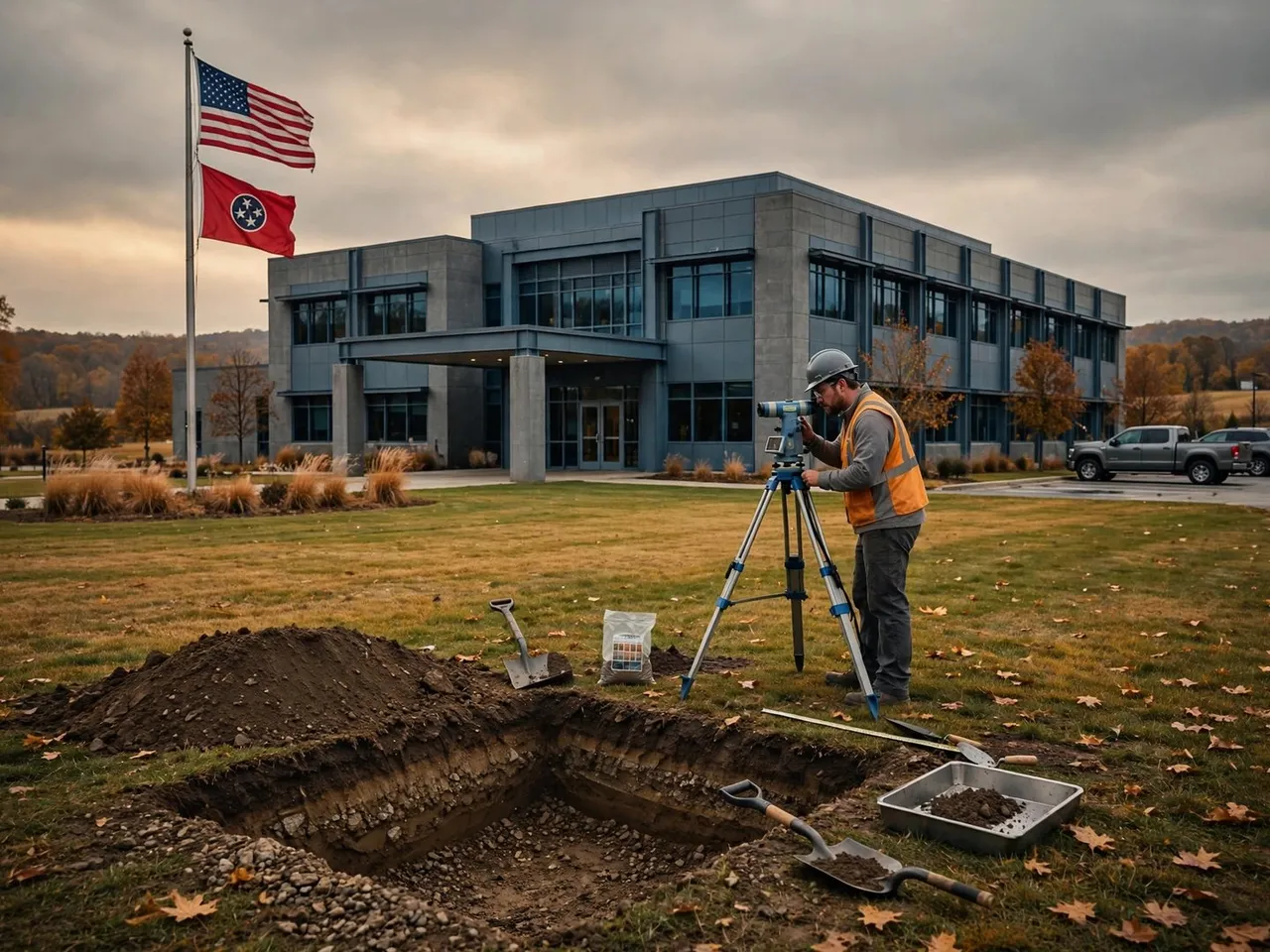
Almost every septic job in Knox County passes through one office: the Groundwater Protection Division of the Knox County Health Department. It regulates the installation of subsurface sewage disposal systems, known as SSDS, and it issues the permits, keeps the records, and inspects the work. Tennessee's Department of Environment and Conservation sets the statewide rules, but the county is where a homeowner actually applies. This guide covers the permits a homeowner is likely to meet, what each one costs, and who to call. Fees are the county's published fees, checked November 6, 2026.
When a permit is needed
All repairs, alterations, and new construction of a septic system need a permit from the Health Department before any work is started on the system. That is the county's rule, stated plainly in its own guidance. A permit is needed before the county Codes Enforcement Department will issue a building permit for a residence, which means the septic permit comes first in a new build, not last.
The permit that covers most new work is the SSDS Installation Permit, also called a drain field layout. It costs $200. You may need one if you are building a new residence, a pool, or an additional structure, renovating or adding on to an existing home, or modifying an existing septic system. To request one you will need the landowner's name and address, the location and size of the lot, the number of bedrooms, whether there is a basement and whether it will have plumbing, whether the property is on public water or a private well, a site plan, and a soil map completed by a licensed soil consultant. Soil testing is done by private consultants, not by the county.
Repair permits cost nothing
A Repair Permit is required before any work on a failing septic system is performed, and it costs nothing. Call the Groundwater Division at (865) 215-5200, extension 1, and the team will work with you to prepare the right repair permit for your property. The fact that it is free does not make it optional: work started without one is work started without a permit.
That distinction matters for anyone facing a repair bill. A failed drainfield is usually a replacement, not a repair, and replacement in East Tennessee typically runs $5,000–$15,000 for a conventional field or $15,000–$30,000 for a mound field. Getting the permit right is the cheapest part of the job, and getting it wrong can stall the whole project. Our guide to the signs a drainfield is failing covers what to look for before you call.
The Verification: the septic letter for a sale
The service most homebuyers and sellers meet is the Verification, sometimes called a septic letter. It costs $200 and is usually requested for a real-estate transaction. When it is requested, the Health Department reviews all the files in its records regarding the property, and a Groundwater Environmentalist visits the property to determine if the system is working properly and to verify that there is sufficient area available to repair it if it should fail in the future.
That is a useful document in a county where there is no county-mandated property-transfer inspection programme. In Tennessee, an inspection when buying a house is typically lender-driven rather than required by the county, so the Verification is the closest thing to an official answer a buyer can get about the system they are inheriting. It is not the same as a private inspection, and it does not replace one: a provider's inspection checks the tank, the distribution box, and the drainfield in detail, while the Verification confirms what the county knows and what its environmentalist can see on a visit. Many buyers sensibly get both. Our guide to septic inspection when buying a house in Knoxville explains what a private inspection covers.
The other county services
Three more services from the same division are worth knowing. A Certification of an existing system costs $100 and may be requested to obtain a building permit or get a survey map signed; it is required if you are exchanging a mobile home for a new one, building a new home on an existing system, building a pool, or adding on to a home. A Lot Evaluation costs $40 and is needed when a soil map has been completed and submitted for a building permit or a survey signature. A Well Water Sample costs $50 and tests well water for bacteria.
The division can also provide available records on an existing septic system through a file search request, which can reveal the system type, soil mapping, and previous repair work. That is often the first step in finding a tank whose location nobody remembers, and in checking a system before a sale.
Grants are a separate process
One thing permits do not cover is money. Knox County's Stormwater Management grant programme may pay up to 75 percent of the cost of septic repairs or a sewer connection, where available, but that is a separate programme run by Stormwater, not by the Health Department. The grant process starts with a call to Stormwater at (865) 215-5800, and the Health Department comes in afterwards for the inspection and the permit. The two processes meet, but they are not the same one. Our guide to the Knox County septic repair grant explains the grant process in full, so this guide does not repeat it.
Buying a house on septic in Knoxville? Ask about a septic inspection — a local septic professional will get in touch, usually within an hour between 7am and 8pm Eastern.
Septic Inspection in Knoxville, TN